
Wagering Requirements at Non-GamStop Casinos: The Math Behind 35x, 45x and 60x
 Available in GB
The number that determines bonus value at any offshore casino is the wagering multiplier — typically expressed as 35x, 45x or 60x — and the math behind it is more decisive than most players appreciate. A bonus advertised at £100 with 35x wagering is mathematically a different product than the same £100 at 60x, and the difference compounds against game weighting, max-bet caps and expiry windows. The UK regulated remote casino vertical produced £15.6 billion of total GGY in 2024, of which a substantial share is generated by players completing or failing to complete wagering on promotional offers. This piece works through the structural math of wagering requirements at non-GamStop casinos — bonus-only versus deposit-plus-bonus base, game weighting tables, max-bet rules, expiry mechanics, and the practical completion probability that determines what a bonus is actually worth.
The full picture is in our explainer on non-GamStop casinos.
Bonus-Only vs Deposit-Plus-Bonus Base
The wagering base is the figure against which the multiplier applies, and it is the single most important variable in interpreting any bonus. Bonus-only wagering applies the multiplier to just the bonus credit. A £100 bonus at 35x bonus-only requires £3 500 of qualifying stake before bonus credit converts to cash. Deposit-plus-bonus wagering applies the multiplier to both the deposit amount and the bonus credit combined. The same £100 bonus paired with a £100 qualifying deposit at 35x deposit-plus-bonus requires £7 000 of qualifying stake — exactly double the bonus-only figure.

Andrew Rhodes of the UKGC framed the regulatory perspective in November 2025: “Illegal online gambling remains a serious threat to consumers and to the integrity of the regulated market — we continue to act against operators and affiliates promoting unlicensed gambling services to UK consumers.” The implication for bonus comparison is that offshore operators run their own promotional logic outside the UKGC compliance framework, with both more generous headline offers and more onerous wagering structures than UKGC equivalents. A 100% deposit match at 35x bonus-only is structurally a better offer than the same headline 100% match at 50x deposit-plus-bonus.
The default at offshore casinos used to be deposit-plus-bonus wagering, but the competitive pressure of 2024 and 2025 pushed many operators to bonus-only structures as a differentiator. Reading the terms carefully matters because the same headline figure can sit on either base. A wagering rate of 30x deposit-plus-bonus is functionally more demanding than 45x bonus-only on a 100% match offer, despite the lower headline multiplier.
Game Weighting Tables and Contribution Rates
Game weighting determines how much each bet contributes toward the wagering requirement. Slots typically contribute 100% — every £1 staked counts as £1 toward wagering. Live blackjack typically contributes 10%, sometimes 5%. Roulette typically contributes 10% to 20%, depending on the variant. Live game shows like Crazy Time or Monopoly Live typically contribute 0% or are excluded entirely. Video poker typically contributes 5% to 20%. Bingo typically contributes 100% on bingo platforms and 0% on casino platforms.

The contribution rate operates against the slot’s full stake. A £5 stake on a 100% contribution slot counts as £5 toward wagering. A £5 stake on a 10% contribution blackjack table counts as 50p toward wagering. To complete £3 500 of wagering on slots, the player needs £3 500 in slot stake. To complete the same wagering on 10% blackjack, the player needs £35 000 in blackjack stake — ten times the figure. The implication is that even when low-weighted games are technically eligible for wagering, they are rarely a sensible choice for completion strategy.
The contribution tables are operator-determined within studio constraints. Some operators set specific high-RTP slots to 50% contribution rather than 100%, explicitly to discourage low-edge play during wagering. Major exclusions are also published — typically certain progressive jackpot slots, certain branded titles with high RTP, and any title the operator’s risk team has flagged. Reading the contribution table before committing to a bonus avoids the situation where the player’s preferred slot turns out to contribute at a reduced rate.
The interaction of game weighting with multiplier creates the effective wagering requirement on the player’s intended game. A 35x bonus-only on a £100 bonus, played on a 100% contribution slot, is £3 500. The same offer played on a 50% contribution slot is effectively £7 000. The same offer played on a 10% contribution table is effectively £35 000. The “effective wagering” calculation should drive bonus selection more than the headline multiplier does.
Max-Bet Rule During Wagering
The max-bet rule during wagering caps the largest qualifying stake the player can place while bonus credit is active. The typical cap is £5 per spin, sometimes £4 or £2 at more conservative operators. Bets above the cap are sometimes accepted by the platform but do not count toward wagering; in stricter implementations, they can void the bonus entirely. The cap is published in the bonus terms and enforced through platform-layer monitoring during the wagering period.

The cap matters because it bounds the speed at which wagering can complete. At a £5 max stake and 100% slot contribution, completing £3 500 of wagering requires a minimum of 700 spins. At typical spin rate of 600 spins per hour, this is approximately 70 minutes of continuous play at the maximum stake — assuming no breaks, no slow features, and consistent stake size. In practice, completion takes longer because spin pacing varies and players adjust stake during sessions.
The 47% of UK respondents who participated in gambling in the four weeks before the GSGB Year 2 Wave 3 survey (running September 2025 to January 2026) included a wide range of session profiles, but the bonus-wagering completion session is structurally one of the most intense. The combination of max-bet cap, slot-only contribution, and large absolute wagering totals produces sessions of one to several hours of focused play, often at higher per-hour stake than the player’s normal pattern. Operators design wagering structures partly to deliver this pattern; players need to understand that the bonus completion process is materially different from casual play.
The max-bet rule also interacts with feature buys where they are available. A 100x feature buy at £1 stake is a £100 bet, which exceeds the £5 max-bet cap. Most operators void wagering progress or the bonus itself if a feature buy above the cap is triggered during the bonus period. The interaction makes high-volatility buy-feature slots structurally incompatible with bonus wagering at most offshore casinos.
Expiry Windows and Clock Mechanics
Bonus credit expires if wagering is not completed within the specified window. Standard windows at offshore casinos are 7 to 30 days from credit, with 14 days being most common. The clock starts at the moment the bonus is credited to the player’s bonus wallet, not at the moment the deposit is made or the bonus is offered. Some operators run the clock from the moment of the first qualifying spin, which is fractionally more player-friendly but rarely the default.

Failure to complete wagering within the window typically forfeits the bonus and any winnings from bonus play. The cash wallet is unaffected — the player keeps any cash deposits not used in bonus wagering. The distinction between bonus wallet and cash wallet matters at this point: bonus credit and bonus winnings disappear at expiry, while cash deposits remain available. Players who have funded a deposit that produced both bonus credit and cash wallet activity will see the cash wallet untouched after bonus expiry.
Some operators allow bonus extension on request, particularly for VIP players who have shown good faith engagement with wagering progress but not completed by the window. The extension is discretionary and not a standard term, so relying on it is risky. The conservative approach is to plan wagering completion well within the published window rather than at the deadline.
Practical Completion Probability
The probability of completing wagering with bonus winnings intact depends on the slot’s variance, the player’s stake discipline and the size of the wagering requirement relative to the bonus amount. On a 96% RTP slot at the £5 max bet, completing £3 500 of wagering has an expected loss of £140 (4% of £3 500). For a £100 bonus, the expected outcome is to complete wagering with approximately negative £40 in net bonus value — the bonus credit covers losses up to £100, the wagering produces an expected loss of £140, and the gap of £40 is the player’s expected loss to the wagering process even with the bonus.
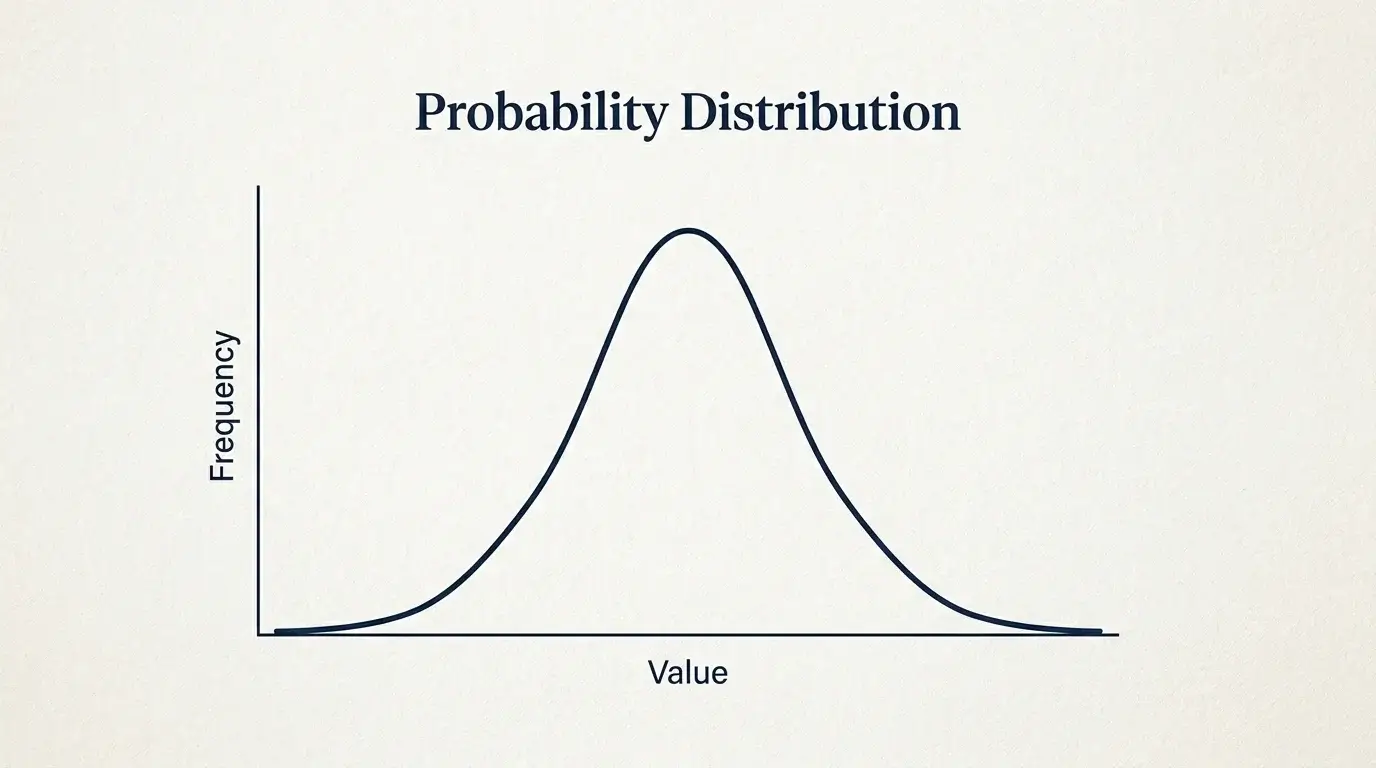
Variance widens this distribution substantially. On a high-volatility slot, individual session outcomes vary by hundreds of pounds in either direction. The right tail of outcomes — large bonus wins during wagering that easily complete the requirement — exists but is rare. The left tail — depletion of the bonus wallet before completion — is more common than headline numbers suggest. The modal outcome is wagering completion with bonus winnings between £0 and £50, well below the bonus credit amount.
What the Wagering Number Actually Costs
The wagering requirement is the single most decisive bonus term, and its interaction with game weighting and max-bet caps determines the effective economics of any offer. A 35x bonus-only multiplier on slots is meaningfully different from a 35x deposit-plus-bonus multiplier on table games, even though they share the same headline figure. The next category of offshore offer worth understanding in detail is the launch-period promotion at new casino sites, where novelty often arrives with experimental wagering structures that established brands have moved away from; new non-GamStop casinos in 2026 covers that landscape.
The offers the playthrough applies to: the bonus mechanics.

What is the practical completion probability of 45x bonus-only wagering on a high-volatility slot?
On a 96% RTP high-volatility slot at the £5 max bet, completing 45x bonus-only wagering on a £100 bonus requires £4 500 of stake with an expected loss of £180. The probability of completing wagering with positive bonus winnings is somewhere around 30% to 40%, with the distribution heavily right-skewed — most completing players exit with small bonus winnings, a minority complete with substantial winnings, and a substantial share fail to complete because bonus wallet is depleted by variance before wagering is fulfilled.
Are blackjack and roulette ever weighted above 10% during wagering?
Rarely. Standard offshore weighting for blackjack and roulette during wagering is 10% to 20%, with 10% being the most common. Some operators run promotional periods where specific table games are weighted at 25% or higher for limited windows, but these are exceptions rather than standard terms. The structural reason for low table-game weighting is the lower house edge — blackjack and roulette have edges of 0.5% to 2.5% compared to slots’ typical 4% to 6%, so the operator’s expected profit on table-game wagering is much smaller per pound staked.
This material was created by the OFFSTAKE team.
Our top casino picks for the UK
- x3betBonus: Welcome Pack 100% Up to £1.000 + 200 Free Spins · Payout speed: 1-3 business days
- NightWinBonus: £900 + 400 free spins · Payout speed: 1-3 business days
- Revery PlayBonus: 100% up to€1,000+ 100 FS · Payout speed: 1-3 business days
- DieselwinBonus: Welcome Pack 250% up to £4000 + 200 FS · Payout speed: 1-3 business days
- ChanzeBonus: Slots Welcome Bonus #1 200% up to €500 · Payout speed: 1-3 business days
- BritsinoBonus: Welcome Package – Get your £2,200 + 2,000 FS · Payout speed: 1-3 business days
- SlotoSportBonus: 500% up to £ 10 200+ 777 FS · Payout speed: 1-3 business days
Related posts

Terms of Use for a UK Casino Information Site

Top-Rated Online Casinos UK: Amatic Games Explained