Anjouan Gaming Licence and UK Players: The Restriction Most Casino Reviews Skip
 Available in GB
Last spring I sat with a printout of the Anjouan licensing terms and a stack of casino review pages calling the Anjouan licence “trusted” and “UK-friendly.” The gap between those two stacks was so wide it was almost funny. The official terms list the United Kingdom — alongside the United States, France, Germany, the Netherlands, Spain, Australia and Austria — as a restricted territory. The reviews did not mention this once.
That is the article I want to write. Not a hit piece on Anjouan, which I think is a genuine attempt to build a credible offshore licensing regime, but a clarifier on what the licence actually says about UK players and why the small print matters in a way that affiliate copy almost never explains.
The full picture is in our explainer on non-GamStop casinos.
What the Anjouan licence actually is
Anjouan is one of the three islands that make up the Union of the Comoros, off the east coast of Africa. The gaming authority — operating under the licensing programme run by the autonomous island — has been issuing online gambling licences for the better part of two decades, and the regime was modernised in 2023 with the aim of competing seriously with Curaçao for the offshore B2C market.
The numbers are part of the appeal. A B2C licence costs €17,828 a year, well below Malta and Gibraltar and competitive with the new Curaçao direct-licence regime. There is no separate sub-licensing model — Anjouan issues a single B2C authorisation directly to the operator, with disclosed beneficial ownership, technical audits, AML and responsible-gambling policies, and a complaints procedure. From a structural point of view, this is closer to the post-LOK Curaçao model than to the old master-licensor approach, and that has helped Anjouan attract operators looking for a credible alternative.
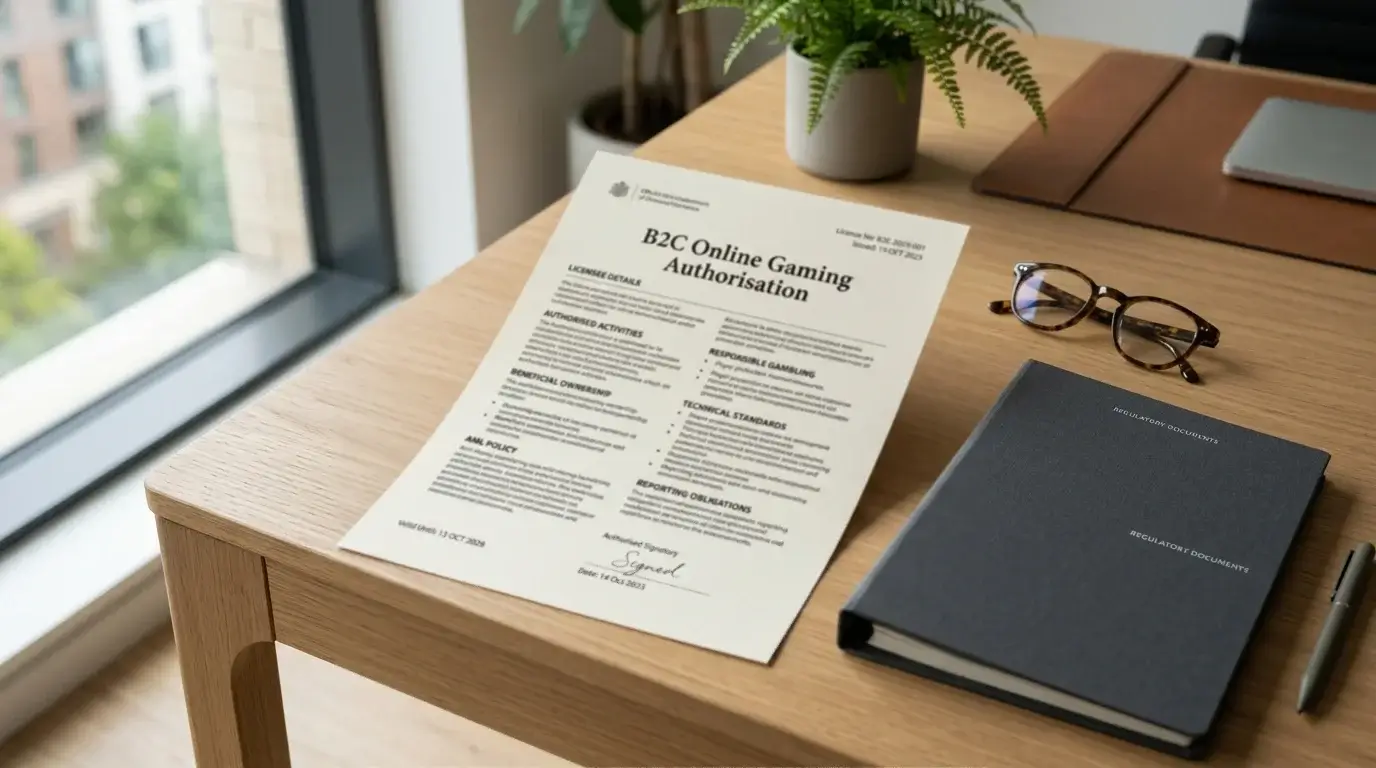
What that headline price doesn’t show is the restricted-territory clause that sits inside the standard licence terms. The licence is not a worldwide pass. It explicitly excludes a list of jurisdictions where the operator is not permitted to take customers, and the United Kingdom sits near the top of that list.
Our top casino picks for the UK
- x3betBonus: Welcome Pack 100% Up to £1.000 + 200 Free Spins · Payout speed: 1-3 business days
- NightWinBonus: £900 + 400 free spins · Payout speed: 1-3 business days
- Revery PlayBonus: 100% up to€1,000+ 100 FS · Payout speed: 1-3 business days
- DieselwinBonus: Welcome Pack 250% up to £4000 + 200 FS · Payout speed: 1-3 business days
- ChanzeBonus: Slots Welcome Bonus #1 200% up to €500 · Payout speed: 1-3 business days
- BritsinoBonus: Welcome Package – Get your £2,200 + 2,000 FS · Payout speed: 1-3 business days
- SlotoSportBonus: 500% up to £ 10 200+ 777 FS · Payout speed: 1-3 business days
The UK restriction clause in detail
Of all the things I wish more casino reviews would actually read, the restricted-territory section of the Anjouan terms is the one that frustrates me most. It is not buried in legal jargon. It is one paragraph, in plain English, listing the jurisdictions where licensed operators may not solicit, accept or service customers — the United Kingdom, the United States, France, Germany, the Netherlands, Spain, Australia and Austria. There is no ambiguity about it.
The clause exists for a reason. Anjouan, like any offshore gaming jurisdiction, wants its licence to remain compatible with the regulatory environment of the major regulated markets. If an Anjouan-licensed operator were openly targeting UK consumers, the licence would be associated with breaches of UK gambling law, which would make B2B relationships harder — payment processors, game studios, platform vendors all look at the licence terms when deciding whether to work with the operator. The carve-out keeps Anjouan’s regulatory standing intact in the eyes of those B2B counterparties.
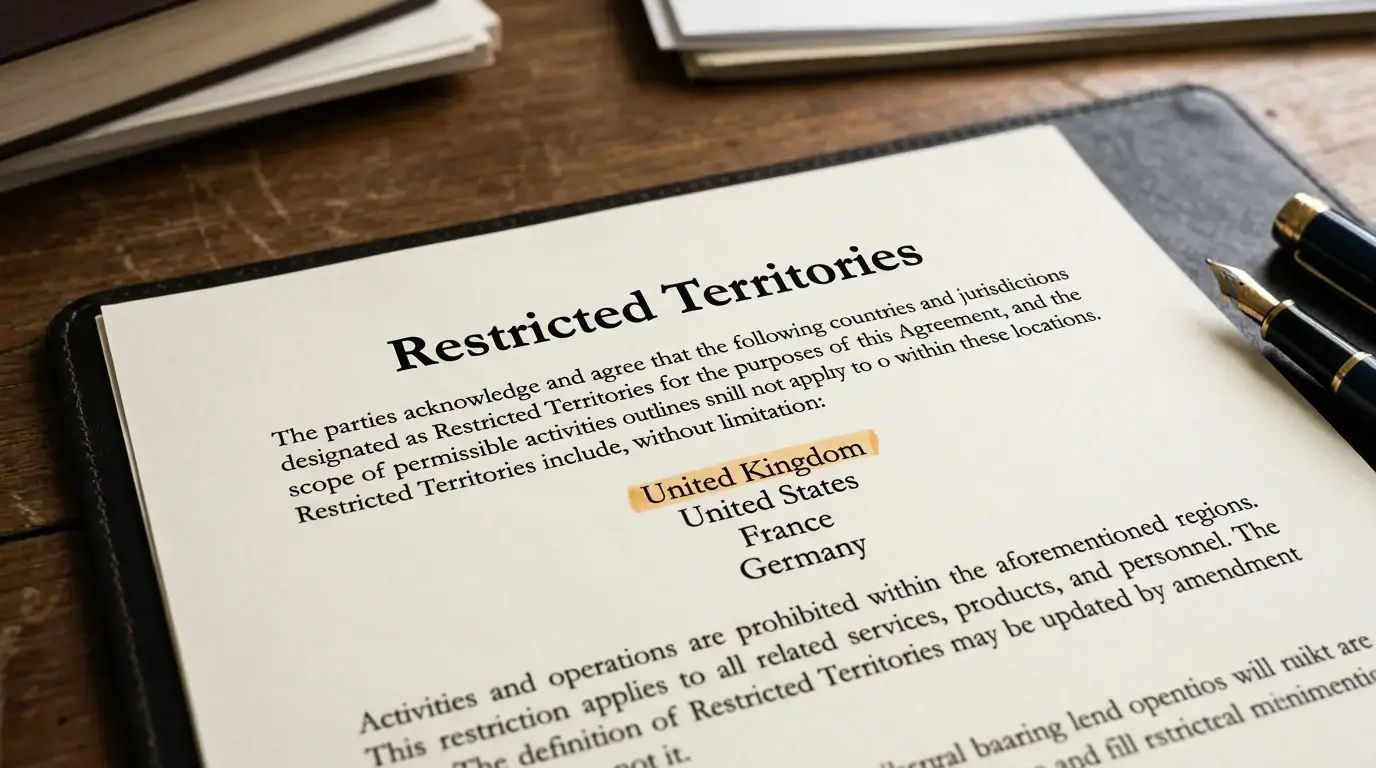
The practical effect is awkward for British players. A site holding only an Anjouan B2C licence and openly accepting UK signups is operating outside the terms of its own authorisation. That puts the operator in a strange position — formally licensed, but with the licensee in breach of the licence’s geographic scope. If a dispute arose and you wrote to the Anjouan licensing body referencing the restricted-territory clause, you would not get the response you were hoping for. The regulator would have grounds to act against the operator, but it would not be obliged to remedy your loss. The transaction sits in a regulatory dead zone — covered by the licence on paper, excluded by it in substance.
Why some non-GamStop sites still show Anjouan
If the UK is restricted, why does the Anjouan badge keep turning up in non-GamStop casino footers? Three explanations, in roughly descending order of how often I see them in practice.
The first and most common: the operator holds a second licence and uses Anjouan as the visible badge on the footer because it is the one most familiar to international audiences. The actual authorisation under which UK transactions are processed will be a different licence — Curaçao, Costa Rica or sometimes nothing at all. The Anjouan logo is marketing decoration, not the working authorisation.
The second: the operator is in violation of the restricted-territory clause and gambling on the fact that Anjouan does not actively police player geolocation on its licensees. Enforcement bandwidth at small offshore regulators is, to be polite, not their strong point. The operator accepts UK deposits, the licence remains formally active, and nobody on the regulator’s side notices unless a complaint forces attention to the file.
The third, rarer: the site lists Anjouan in good faith because an executive read the brochure and not the terms. I have personally spoken to operators where this turned out to be the case. The compliance team adjusts the footer once the geography clause is brought to their attention.
For a UK player evaluating a site, the lesson is straightforward — an Anjouan badge in the footer is not, on its own, evidence that UK transactions sit within the licence’s scope. Cross-check whether the operator also holds a non-restricting authorisation, and treat the Anjouan badge as branding rather than as cover.
B2B recognition and the game supply chain
The Anjouan regime also has a parallel B2B framework that runs alongside the B2C side, and it is worth understanding because it shapes which games appear on Anjouan-licensed lobbies. From July 2025 onwards, B2B suppliers — game studios, platform vendors, payment integrators — wanting to supply Anjouan-licensed operators must either hold a local B2B licence from Anjouan directly or carry an approved B2B Licence Recognition Certificate. That certificate runs at €9,500 a year and lets a supplier with a primary licence elsewhere demonstrate compliance with the Anjouan regime without re-licensing from scratch.
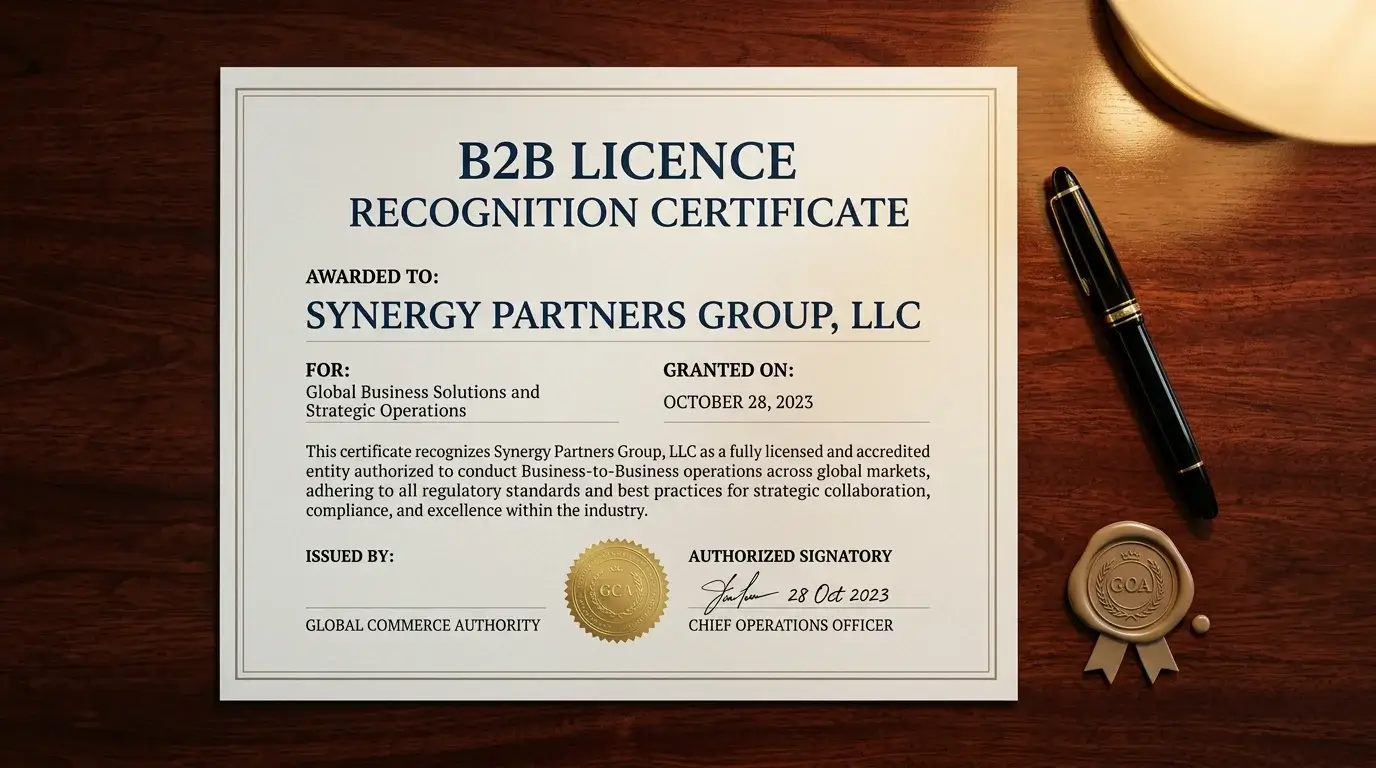
The certificate model exists because the alternative is unworkable. Studios like Pragmatic Play, Hacksaw Gaming, Push Gaming and Nolimit City already hold tier-one licences in Malta, Romania or other regulated jurisdictions. Asking them to take a second full licence in Anjouan would slow integration to a crawl and probably push them to refuse the market altogether. The recognition mechanism gives Anjouan-licensed operators access to a credible game library while keeping the supply chain documented.
What this means in cashier terms is that the slot you see on an Anjouan-licensed lobby is, in most cases, the same software supplied to MGA and UKGC operators. The licence boundary is at the casino, not the studio. That is useful context — game integrity is not a function of the operator’s licence, it is a function of the studio’s licensing chain, and most major studios hold authorisations that the Anjouan regime cross-recognises.
Reading the footer when Anjouan appears
When I evaluate a non-GamStop casino with an Anjouan badge, the checklist is short. I want to know which entity holds the licence, what the licence number is, whether the casino also displays a second licence covering UK players, and how the site’s terms and conditions handle disputes for restricted-territory customers. If three of those four answers come back cleanly, the site is at least transparent about its setup. If the second licence is absent and the terms quietly disclaim service to UK residents while the cashier accepts UK cards anyway, that is the regulatory mismatch I was talking about earlier.

None of this makes Anjouan a bad licence per se. It is a deliberately mid-tier authorisation aimed at markets that are not the UK. The mistake is assuming the badge says something it doesn’t. If you’d like to see how this picture sits against the alternative routes operators take to reach UK players without UKGC oversight, the way crypto casinos handle the same audience is a useful comparison — a different licensing footprint, a different payment architecture, and a different set of trade-offs entirely.
How it compares with the rest: the licensing overview.
Why is the UK explicitly listed in Anjouan’s restricted territories?
The carve-out exists to preserve the licence’s standing with B2B counterparties and major regulated markets. By restricting service to UKGC-regulated jurisdictions, Anjouan keeps its licence framework credible to payment processors and game suppliers who would otherwise be uncomfortable working with operators in breach of UK law. The clause is a structural protection for the regulator, not a comment on UK consumers.
Can a casino with an Anjouan licence still take UK deposits in practice?
In practice, yes — many do. Enforcement of the geographic clause on the Anjouan side is limited, and the operator usually relies on either a second licence or an absence of policing to continue accepting UK customers. The transaction is then sitting outside the formal scope of the Anjouan authorisation, which means a UK player has no working dispute route through the Anjouan regulator. Look for a second authorisation in the footer before treating the licence as cover.
This material was created by the OFFSTAKE team.
Related posts

Terms of Use for a UK Casino Information Site
Top-Rated Online Casinos UK: Amatic Games Explained