
Bitcoin Casinos Not on GamStop: Deposits, Fees and Confirmation Times
 Available in GB
Bitcoin was the first cryptocurrency that offshore casinos accepted in any volume, and a decade later it is still the coin that most British players think of when they think of crypto gambling. The status is partly deserved — Bitcoin’s network has been operating without a meaningful outage for fifteen years, the wallet ecosystem is mature, and the on-ramps from sterling are well-trodden. It is also partly historical accident, because the share of actual offshore deposit volume that flows through BTC has been falling for years, even as the overall offshore market grew from around £5 billion in UK stakes in 2019 to £16.6 billion in 2025.
This is the article I’d send to someone who knows what Bitcoin is, has a wallet, and wants the practical detail on how a BTC deposit and withdrawal actually plays out on a non-GamStop site — what works, what fails, where the costs and waits sit, and what the chargeback-free nature of the rail means in practice.
The full picture is in our explainer on non-GamStop casinos.
BTC compared with the other coins at non-GamStop sites
If you stripped the logos off every coin button in the average offshore cashier and looked only at the technical properties, Bitcoin would not be anyone’s first choice for a gambling deposit. The fee is higher than Litecoin or Tron, the confirmation time is longer than almost any of the alternatives, and the price moves while you play. The reason it remains the headline coin is brand recognition and a particular kind of inertia — most players already hold some BTC, and the operators built their early cashier flows around it.
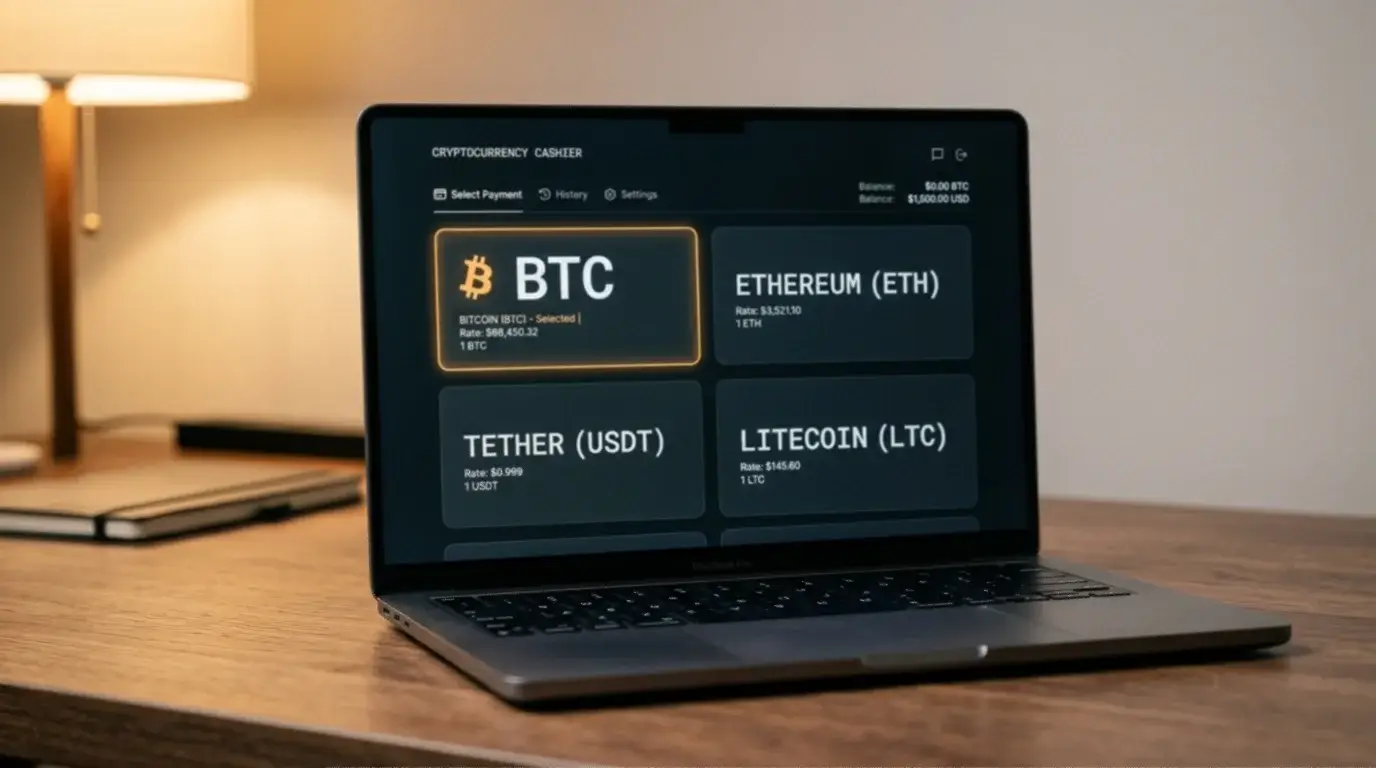
For the same deposit size, the practical comparison breaks down something like this. Bitcoin will cost a few pounds in network fees, take an hour or so to fully confirm under default settings, and will mean your balance moves with the spot price unless the operator converts. Litecoin costs pence, settles in minutes, and gives a near-identical experience without the price drift. USDT on Tron is the operator favourite — a fraction of a pound in fees, sub-minute settlement, and a balance that doesn’t move. None of this makes Bitcoin a bad choice, but it explains why operators promote stablecoins more aggressively even when their footers proudly list BTC first.
Lightning Network support and what it actually does
Lightning is the protocol that solves the speed-and-fee problem on Bitcoin, and the question of which non-GamStop sites support it tells you a lot about how serious the operator is about its crypto rail. Lightning is a payment-channel layer that lets parties exchange Bitcoin off-chain almost instantly, at fees measured in fractions of a penny, with on-chain settlement happening only when channels open or close.
From the player’s side, the experience is night and day compared to on-chain BTC. You scan a Lightning invoice, your wallet sends sats over the channel network, the casino acknowledges receipt, and the balance appears. The whole flow is seconds. Withdrawals run the same way in reverse — the casino emits an invoice address, you scan it, payment arrives almost immediately. The Lightning rail is what “instant Bitcoin gambling” should mean.
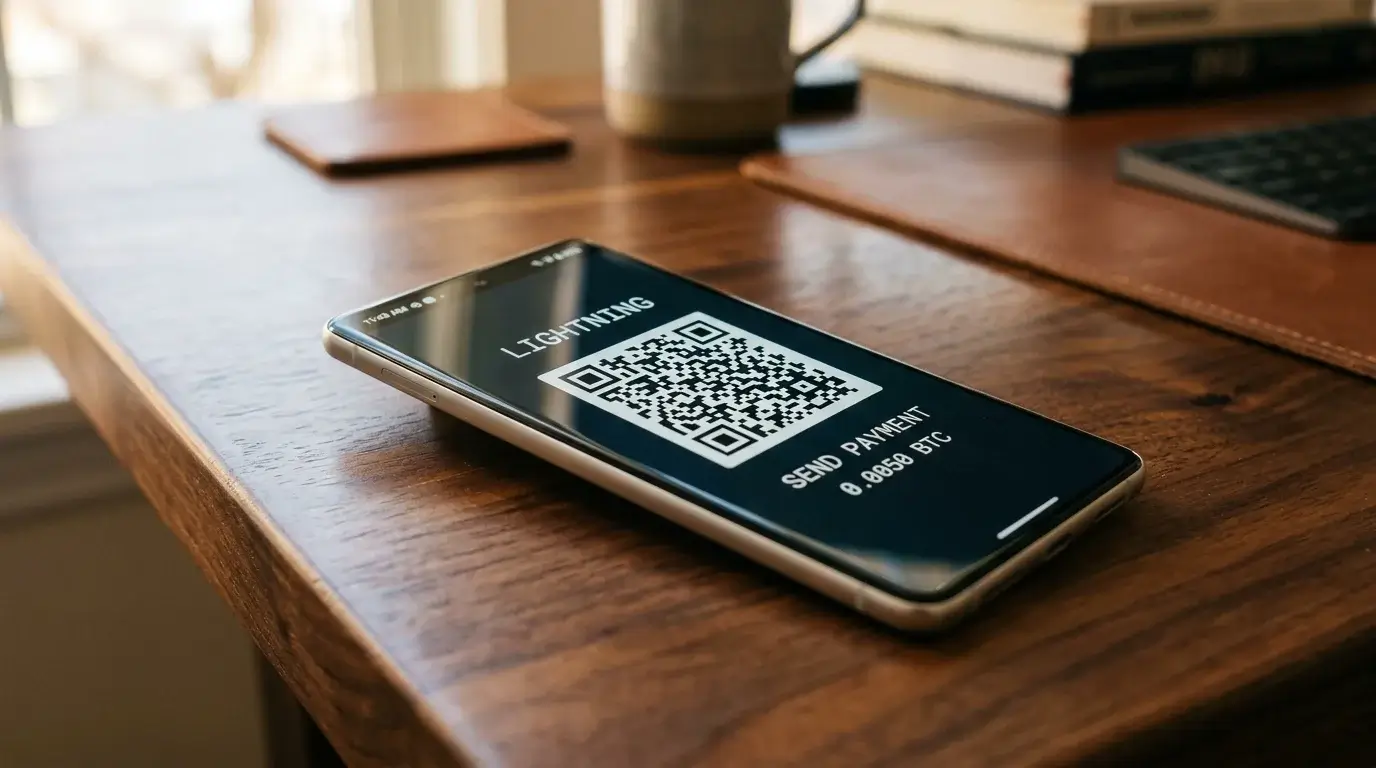
The catch is that not every offshore casino supports Lightning, and among those that do, support quality varies. Some operators run their own Lightning node and handle inbound and outbound traffic competently. Others use a third-party Lightning-as-a-service provider, which works fine when the provider’s liquidity is healthy and fails awkwardly when it isn’t — you can end up with deposits stuck mid-route or withdrawal invoices that won’t fill. The mature operators publish their Lightning node’s pubkey so you can route to them directly if you run your own node, which is also a useful signal that they take the rail seriously.
For amounts under about £500 a deposit, Lightning is almost always the right channel if both ends support it. For larger amounts, the channel-capacity question starts to matter and on-chain becomes more reliable.
On-chain deposit fees and confirmation windows
The fee on an on-chain Bitcoin deposit is set by the network’s fee market, not by the casino. The casino doesn’t take a cut of the network fee — what you pay your wallet to broadcast the transaction goes entirely to the miners. The amount fluctuates with mempool congestion and can move from a couple of pounds to fifteen or twenty pounds during periods of network stress like major NFT mints or post-halving fee spikes.
The other thing that controls timing is the confirmation policy the casino runs. The Bitcoin reference standard is six confirmations for high-value transactions, which takes about an hour. Most casino cashiers will credit at one to three confirmations for deposits below a stated threshold — often around £1,000 — and require six for larger deposits. A handful of operators credit on a zero-confirmation broadcast for small deposits, accepting the small replace-by-fee risk in exchange for a snappier UX. Read the cashier or terms page once, and you’ll know exactly which model your operator runs.

The mistake I see most often on the deposit side is fee misconfiguration. If you set a low fee during a congested mempool, your transaction will sit unconfirmed for hours, sometimes a full day. Some operators will credit the deposit anyway when it eventually clears. Others have a stated window — typically twenty-four or forty-eight hours — after which an uncredited transaction has to be reconciled manually through support. Use your wallet’s recommended-fee setting, not the minimum, and you’ll avoid this entirely.
Our top casino picks for the UK
- x3betBonus: Welcome Pack 100% Up to £1.000 + 200 Free Spins · Payout speed: 1-3 business days
- NightWinBonus: £900 + 400 free spins · Payout speed: 1-3 business days
- Revery PlayBonus: 100% up to€1,000+ 100 FS · Payout speed: 1-3 business days
- DieselwinBonus: Welcome Pack 250% up to £4000 + 200 FS · Payout speed: 1-3 business days
- ChanzeBonus: Slots Welcome Bonus #1 200% up to €500 · Payout speed: 1-3 business days
- BritsinoBonus: Welcome Package – Get your £2,200 + 2,000 FS · Payout speed: 1-3 business days
- SlotoSportBonus: 500% up to £ 10 200+ 777 FS · Payout speed: 1-3 business days
Withdrawal limits for Bitcoin specifically
Withdrawal limits at non-GamStop casinos are usually expressed in fiat terms — daily, weekly and monthly caps in pounds or euros — but at a BTC-specific cashier those numbers translate into satoshi amounts that move with the price. A casino with a £10,000 daily cap will, in practice, let you withdraw whatever satoshi balance equals £10,000 at the moment of the request. Above that, the withdrawal queues until the next day.
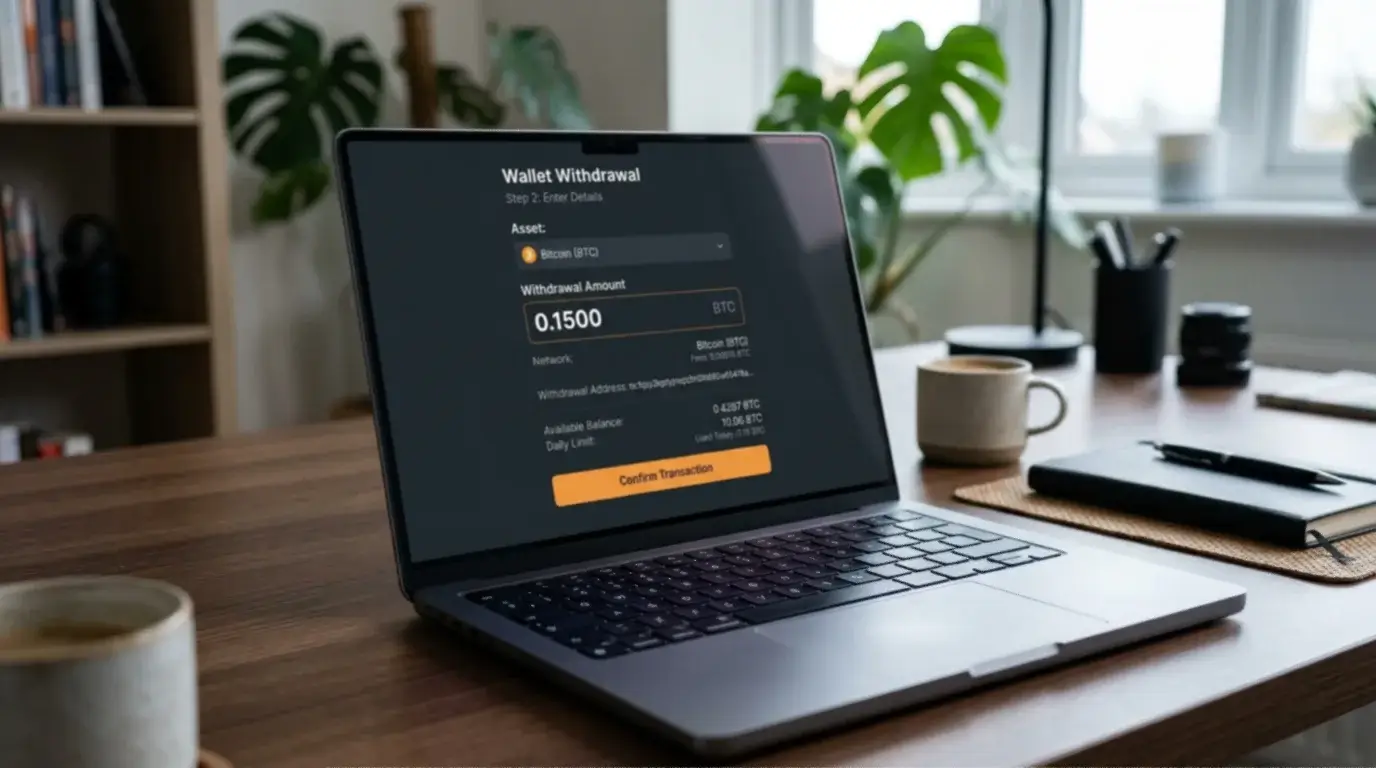
Limits tend to be higher on offshore sites than on UKGC ones, which is part of what has driven the growth of the offshore segment — that tripling of the UK illegal market from £5 billion to £16.6 billion since 2019 didn’t happen on small accounts. VIP tiers can lift the daily cap into the low six figures, and crypto withdrawals at that scale do happen at the larger operators, although the operational reality is that any single withdrawal above about £25,000 will trigger a manual review even on a fully verified account.
The other limit worth knowing about is the dust threshold. Many operators set a minimum withdrawal of around £20 in BTC because the network fee on a tiny withdrawal would consume the entire balance. If you have a small leftover balance, you usually have to play it through or accept it as a write-off — operators don’t typically refund crypto deposits to fiat once the deposit has credited.
What chargeback impossibility means in practice
The thing most people understand about a Bitcoin deposit is that it cannot be reversed. There is no chargeback. Once the transaction confirms, the casino has the coins, and your wallet does not. That is the core architectural property of the rail, and it cuts both ways.
The stablecoin alternative: USDT casinos.
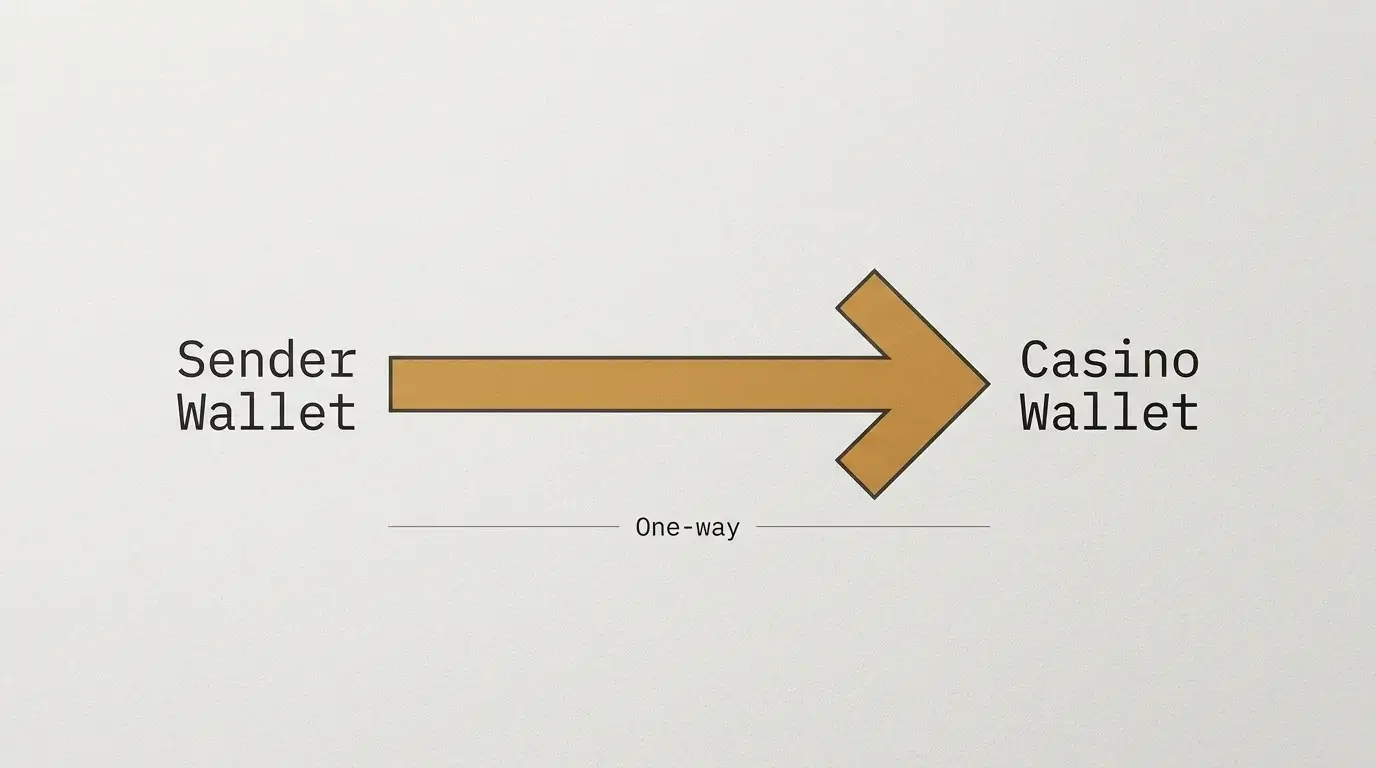
The upside for operators is the reason they like crypto — there is no risk of payment-card-association chargebacks weeks after the play. The downside for players is that the chargeback was, in the fiat world, the last-resort consumer protection when an operator went rogue. With a credit card, a UK player could (in 2019) dispute a deposit through Section 75 and sometimes recover funds even from offshore sites. With BTC, that route doesn’t exist. Whatever protection you have lives entirely inside the casino’s own dispute process and whatever the offshore regulator can enforce — which, for non-GamStop sites, is usually the Curaçao Gaming Authority or one of the other small offshore regulators. If a Curaçao site processes BTC payouts as advertised, this whole question is moot; if it doesn’t, there is no third-party safety net to fall back on. The implication is straightforward enough — choose the operator carefully before the first deposit, because the post-hoc options are limited. The same logic, applied to the broader question of how fast withdrawals actually arrive across different rails, is worth following into the detail on what “instant withdrawal” actually means at non-GamStop sites.
Do non-GamStop casinos accept Lightning Network deposits in 2026?
A growing share do — particularly the operators that built their crypto rail in the past three years. Lightning support is no longer rare but it is also not universal. The cashier or terms page will list it explicitly when supported, and the deposit interface will show a Lightning invoice or a QR code that your Lightning-enabled wallet can scan. For small to mid-size deposits, Lightning is materially faster and cheaper than on-chain BTC.
What happens to a BTC withdrawal if the network fee spikes mid-transaction?
The fee on a withdrawal is set by the casino’s wallet at the moment of broadcast, not by you, so a fee spike after broadcast does not affect that transaction — it will confirm at whatever fee it was sent with. If the casino’s fee policy is too aggressive for the network state, the transaction can sit unconfirmed for hours, but the satoshis are still going to the right address and will eventually confirm or be replaced by fee. The risk that matters is fee misconfiguration on the deposit side, not the withdrawal side.
This material was created by the OFFSTAKE team.
Related posts

Terms of Use for a UK Casino Information Site

Top-Rated Online Casinos UK: Amatic Games Explained