
Apple Pay and Google Pay at Non-GamStop Casinos: How Tokenised Payments Work
 Available in GB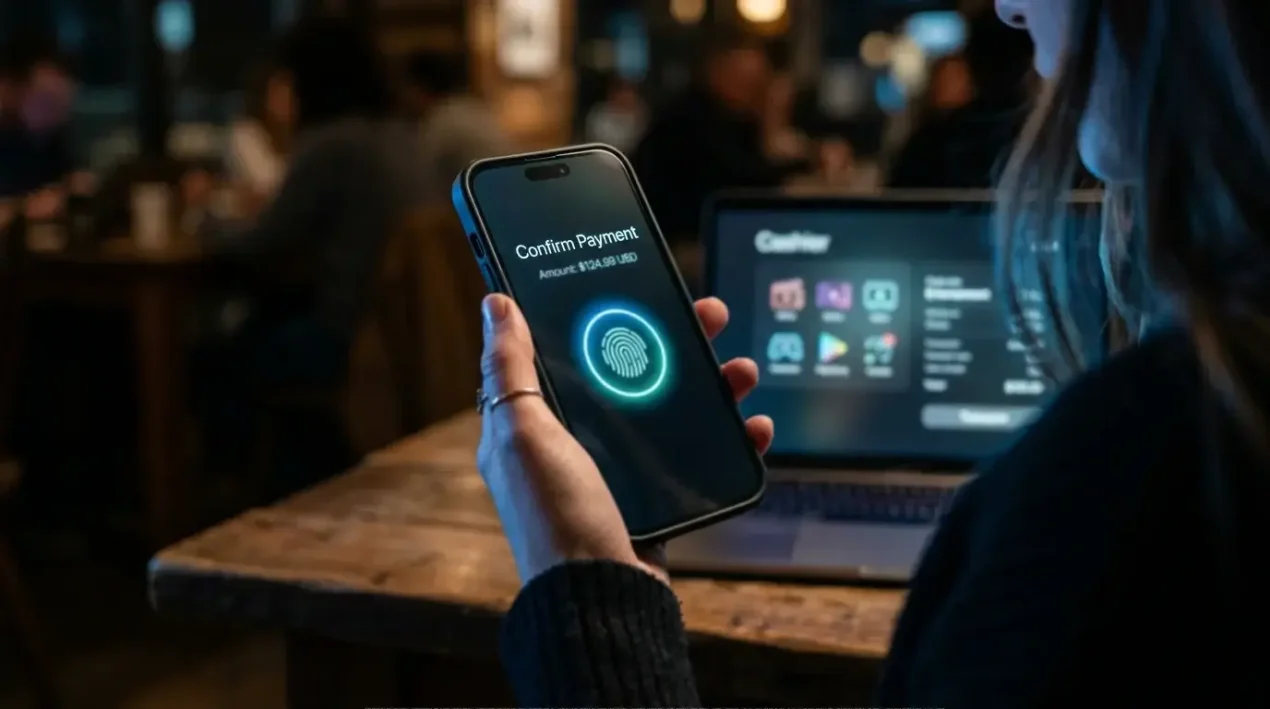
Roughly 37 per cent of UK adults gambled online in any four-week window in 2025 by the Gambling Commission’s GSGB survey — a figure that drops to about 15 per cent once you strip out lottery play. A meaningful share of that activity now happens on a phone, and a meaningful share of those phone deposits flow through Apple Pay or Google Pay. The cashier dropdown that used to show “Visa / Mastercard” first now often shows the Apple Pay button above the manual card-entry option. I want to walk through how that flow actually works at offshore casinos, where the technical and policy layers sit, and what the tokenisation under the hood does and doesn’t change about your transaction.
The full picture is in our explainer on non-GamStop casinos.
How tokenised payments work at the cashier
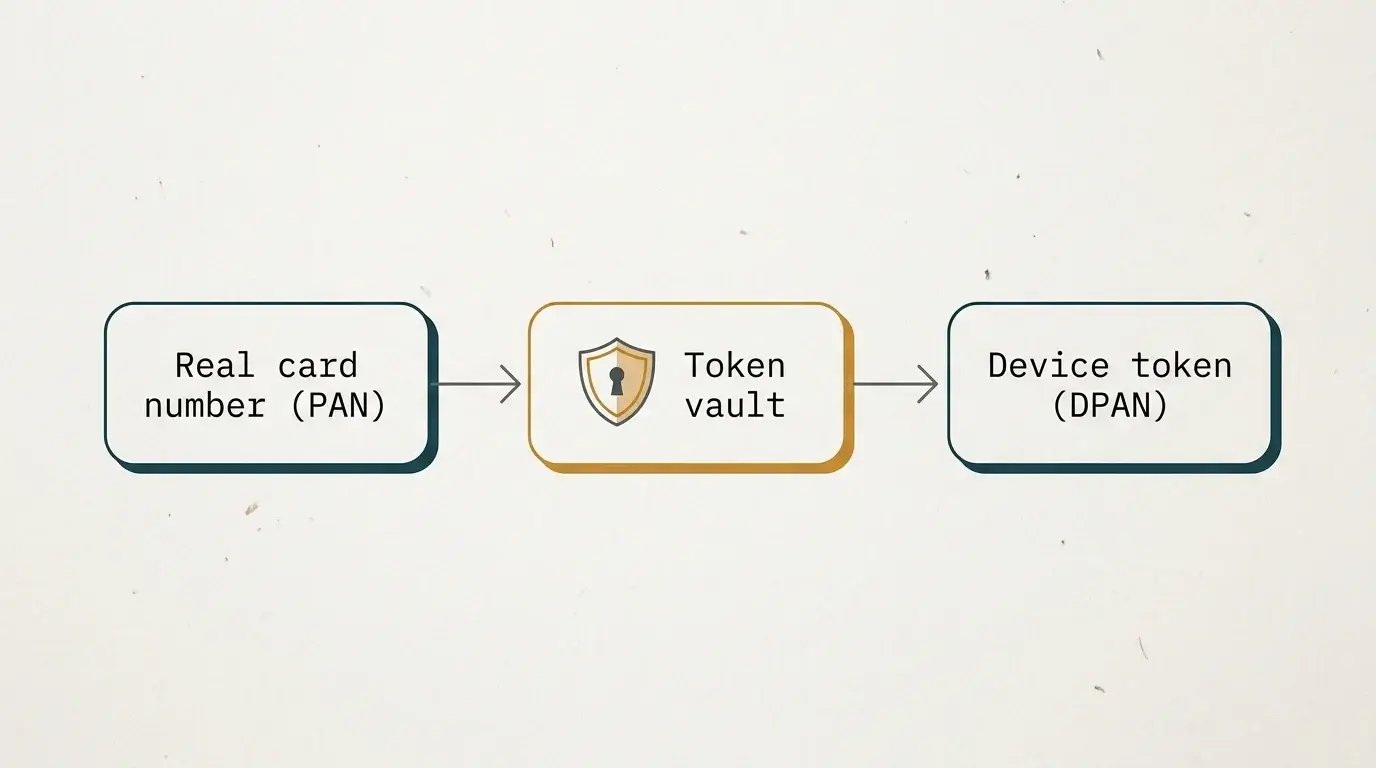
Apple Pay and Google Pay are not new payment networks. They are wrappers around your existing card — what they do is replace your real card number, the primary account number, with a device-specific token at the point of transaction. The token is generated by the card scheme (Visa or Mastercard), bound to your device, and presented to the merchant in place of the actual card number. The merchant never sees the raw PAN.
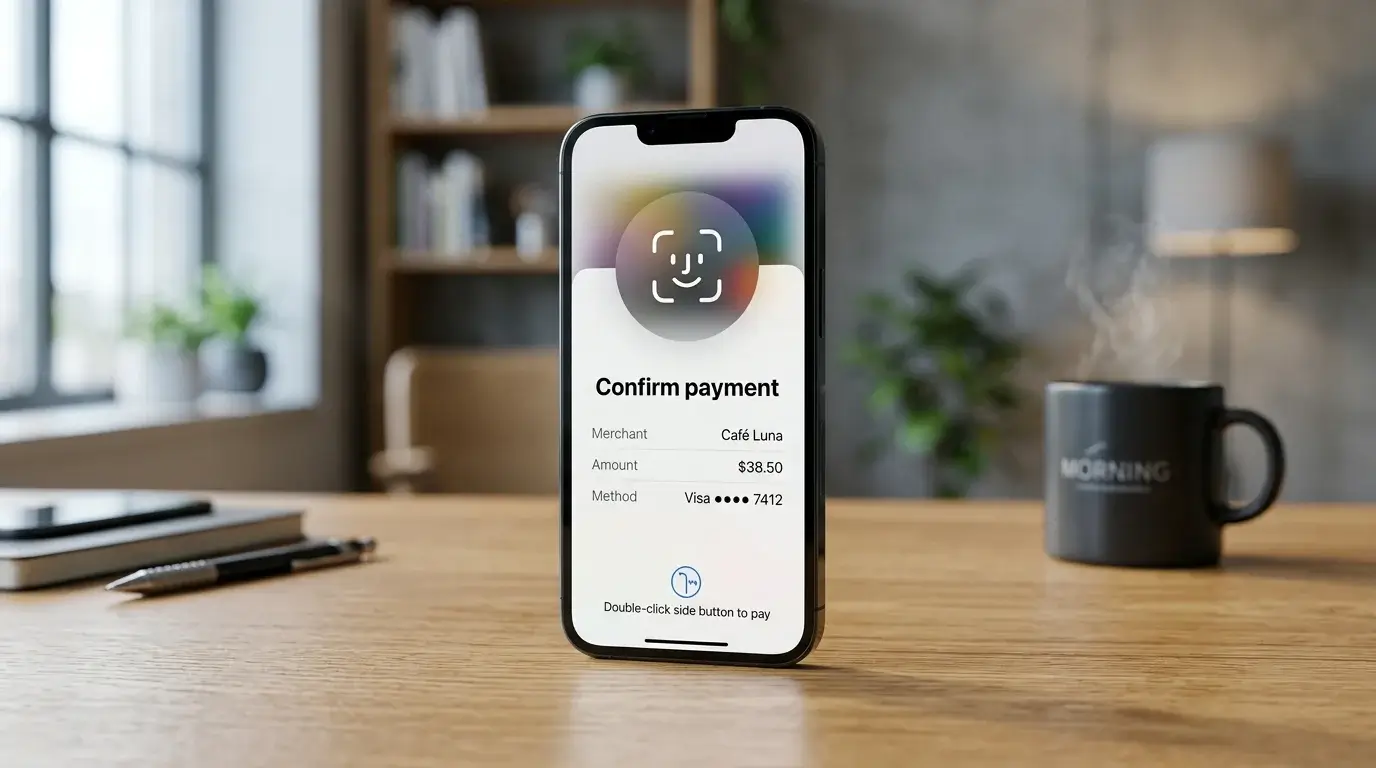
For an offshore casino cashier, this means three things. First, the transaction the casino’s payment processor sees is technically a card-not-present transaction routed through a tokenised credential, which carries different fraud-scoring characteristics from a manually entered card. Second, the biometric authentication on your device — Face ID, Touch ID or Android equivalent — serves as the strong customer authentication step, removing the need for a 3D Secure step-up challenge that a manual entry would normally trigger. Third, the underlying card still determines whether the transaction is a credit or debit transaction, with all the cash-advance and interest implications that come with the underlying card type.
Apple Pay availability on non-GamStop sites
Apple Pay support at non-GamStop casinos in 2026 is patchy but growing. The big constraint is not technical — implementing Apple Pay on a cashier is a few weeks of integration work — it is the payment-processor side. Apple Pay transactions are processed through payment processors that have qualified for Apple’s merchant programme, and not every payment processor used by offshore operators is on that list.
The operators that do offer Apple Pay tend to be the larger, better-funded brands with payment-processor relationships that span multiple jurisdictions. Smaller operators, particularly newer launches, are more likely to offer crypto and manual card entry as their two cashier options, with Apple Pay missing. Where Apple Pay is offered, the user experience is the cleanest of any deposit method — tap the button, authenticate with biometrics, and the deposit appears in the casino balance within seconds. For UK players doing meaningful volume on phones — and the GSGB data put online participation at 47 per cent on a four-week basis once lotteries are included — that smoothness is the reason the rail has grown the way it has.
Google Pay availability and the Android flow
Google Pay coverage follows a similar pattern but with a different geography. The Google Pay merchant programme has been more permissive in some markets and more restrictive in others, and offshore casino operators sometimes find Google Pay easier to integrate than Apple Pay because the merchant onboarding process is faster.
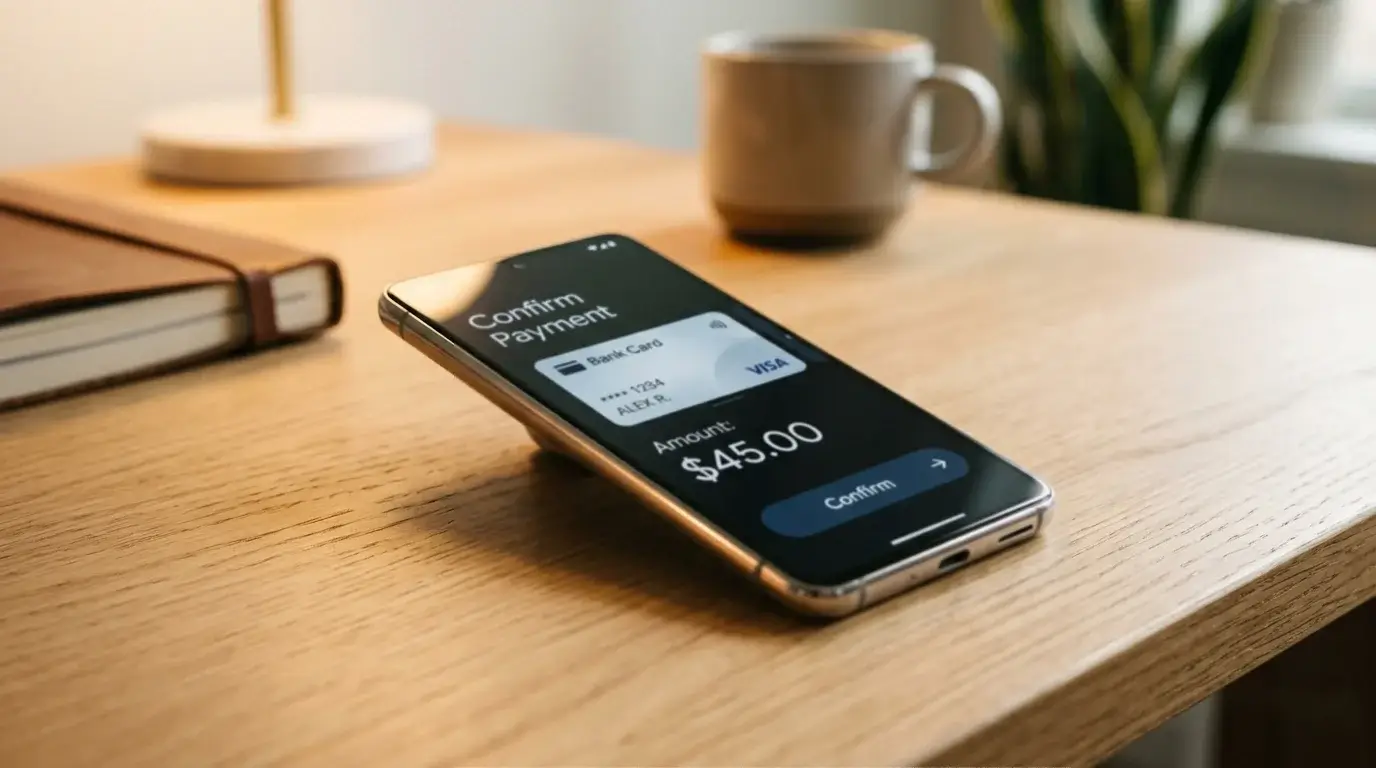
From the Android user’s side, the flow is almost identical to Apple Pay — select Google Pay in the cashier, authenticate with a fingerprint or PIN on the device, and the deposit credits. The underlying card still determines the transaction characteristics, and the same MCC 7995 categorisation applies if the casino’s payment processor codes the transaction as gambling. Where Google Pay differs is in the device-token model — Android’s tokenisation is functionally similar to Apple’s but has historically been slightly more permissive about which card products can be added to the wallet for transactions of certain categories. The practical effect is a slightly higher acceptance rate at offshore casinos on the same underlying card type.
Card binding and issuer control
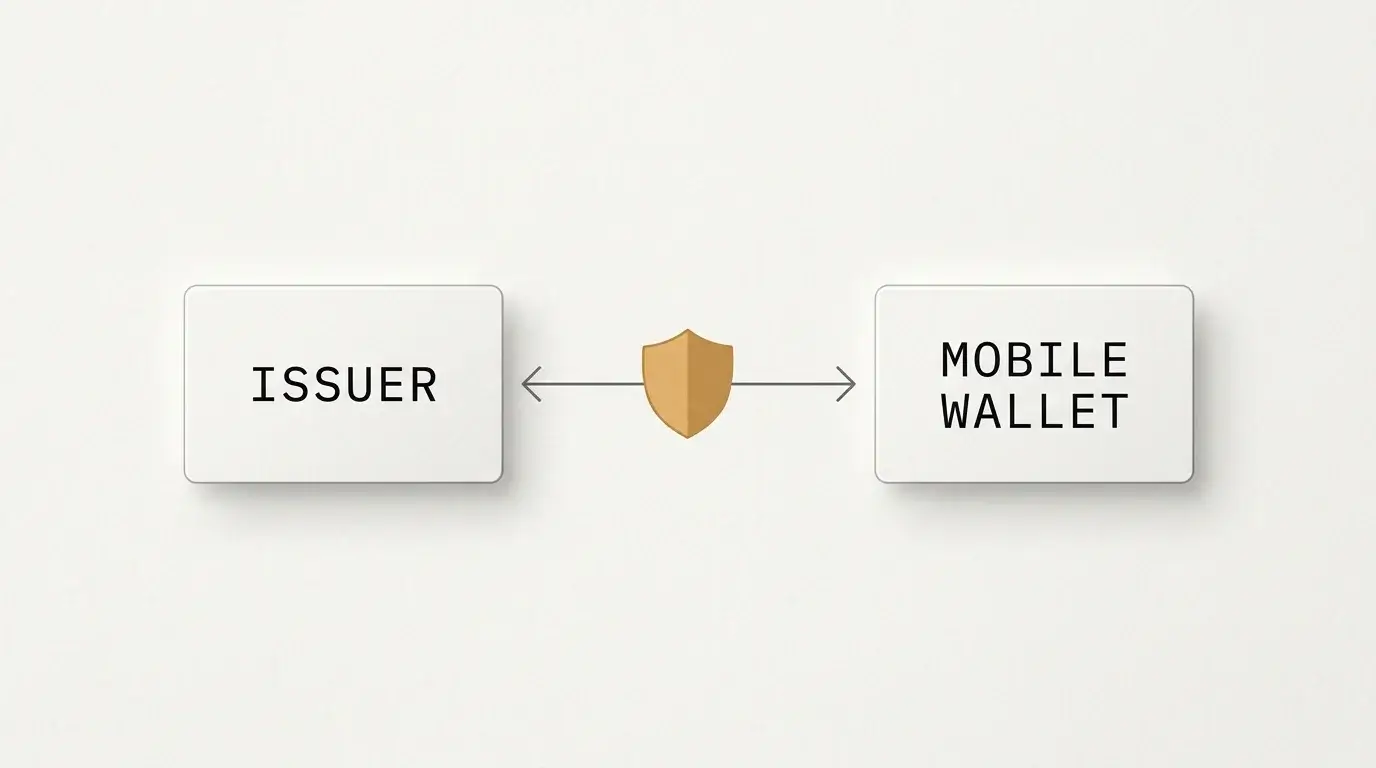
The bit of this picture players sometimes don’t think about is what happens at the issuer. Your bank — the one that issued the card sitting inside Apple Pay or Google Pay — still controls whether the transaction goes through, just as it does for a manual card entry. The tokenisation does not bypass issuer-level controls on gambling transactions. If your issuer blocks 7995 transactions on the card, it will block them whether the card number was entered manually or arrived as a wallet token.
This is the piece that frustrates players sometimes — they assume the new payment method is a workaround for a block they have hit on the same card via manual entry, and it isn’t. The token represents the same underlying card to the same issuer, which applies the same rule set. Where Apple Pay or Google Pay do help is in the strong-customer-authentication step, which can clear faster on biometric than on 3DS, and in fraud scoring, where tokenised transactions sometimes pass risk checks that a raw card entry would have flagged. Neither of those effects defeats an explicit issuer block.
The wider context for any payment-method conversation in this space is the audience reality that Gamstop’s Fiona Palmer has been describing at length. Her line on the trajectory has been consistent: “The continued year-on-year growth in registrations highlights the ongoing and increasing need for effective self-exclusion tools. The rise in take-up of our auto-renewal option, in particular, shows that many consumers are seeking longer-term support and recognise the value of self-exclusion in helping them manage their gambling.” The frictionless deposit experience that Apple Pay and Google Pay create at offshore cashiers exists alongside that population — for some users it is a convenience, for others it is exactly the kind of low-friction route that self-exclusion was meant to interrupt.
Fees and limits for mobile wallets
The fees attached to Apple Pay and Google Pay deposits at non-GamStop casinos are the fees of the underlying card. Apple and Google do not charge the user for processing the transaction — they collect their merchant fees on the operator side. So an Apple Pay deposit against a Visa debit card costs the same as a manually entered Visa debit deposit, and an Apple Pay deposit against a Visa credit card carries the same cash-advance or purchase classification that the underlying card would have applied.
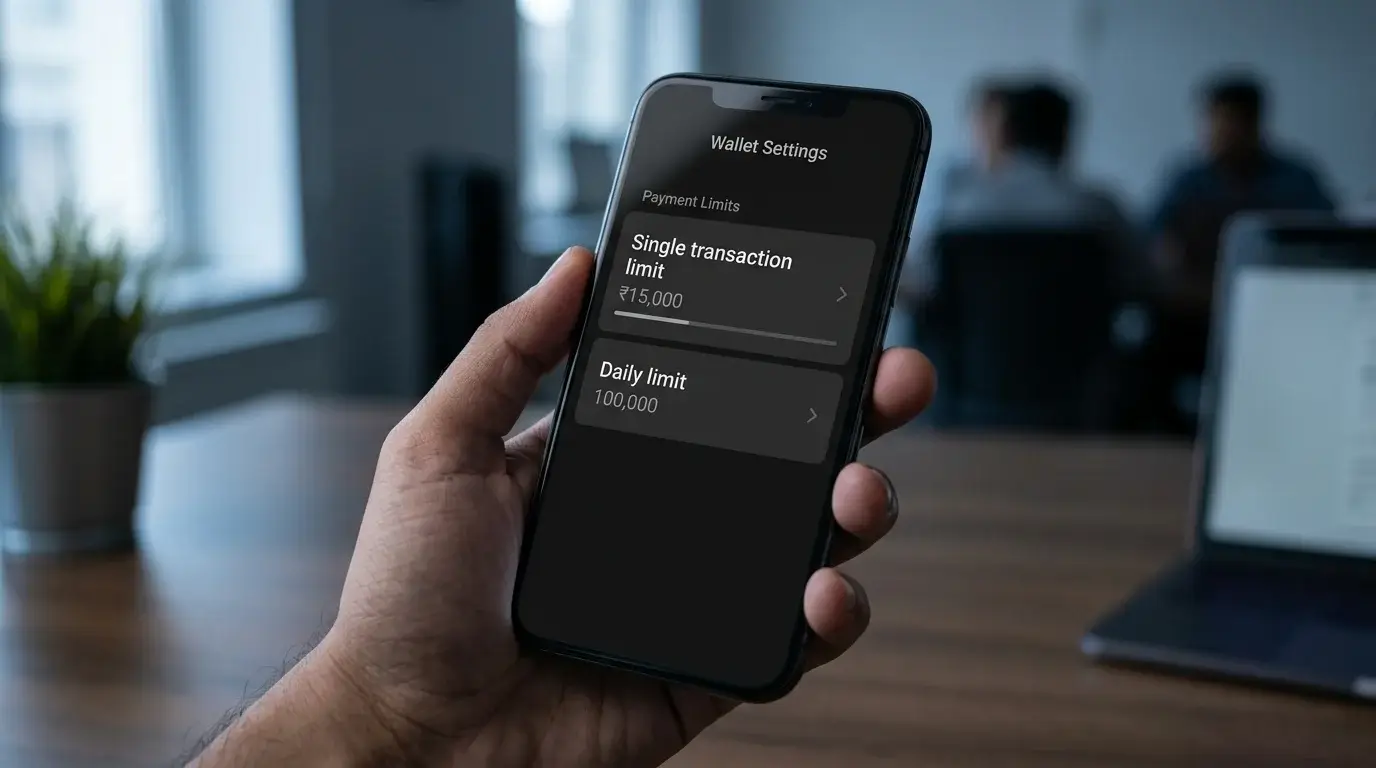
Limits are usually identical to the manual card limits at the same operator. Apple Pay and Google Pay are payment methods, not separate card products — they inherit the daily and monthly caps of the card sitting inside them. The one place limits sometimes diverge is in the operator’s own per-method risk policy. A handful of casinos cap mobile-wallet deposits below the card-entry equivalent, on the basis that mobile-wallet transactions are harder to challenge if disputed. The cap is usually visible on the cashier page if the operator applies one. The wider question of how the mobile experience differs from desktop is a longer story, and the practical detail of mobile non-GamStop casinos and apps covers the rest of that picture.
Every other route compared: the payment methods.
Does Apple Pay’s biometric prompt count as strong customer authentication for a casino deposit?
Yes — Apple Pay’s biometric authentication is recognised under PSD2 as strong customer authentication, satisfying the inherence and possession factors. For most card-not-present gambling transactions in scope of SCA, the Apple Pay flow removes the need for a separate 3D Secure step-up challenge. The same logic applies to Google Pay on Android with fingerprint or PIN authentication. The casino’s payment processor sees a fully authenticated transaction.
Will my issuer treat a Google Pay casino payment any differently from a card-not-present transaction?
From a fee and classification standpoint, no — the underlying card determines whether the transaction is a credit or debit purchase and whether it is treated as a cash advance. From a fraud-scoring standpoint, tokenised transactions sometimes pass issuer risk checks that a manual entry would have failed, because the device binding adds a fraud signal that raw card entries lack. Explicit gambling blocks at the issuer apply equally to both.
This material was created by the OFFSTAKE team.
Related posts

Live Dealer Casinos Offshore: Studios, Bet Limits and Streaming
Withdrawal Speed at Non-GamStop Casinos: Three Windows and What Determines Each